
Designing Low-Maintenance Native Plant Garden Beds
When the weather finally warms up in Omaha, the last thing most homeowners want to do is spend their entire weekend pulling weeds, replacing sensitive flowers, and fighting with the sprinkler system. Our extreme Midwestern climate—with its blazing, dry summers and freezing winters—can be incredibly harsh on traditional landscaping. But creating a beautiful, lush yard doesn't have to require endless hours of exhausting labor. The secret lies in designing low-maintenance native plant garden beds. By working with nature rather than against it, you can cultivate an outdoor oasis that thrives year-round while giving you your weekends back. Whether you are looking to revamp a tired front yard or want to add colorful borders around your patio, native plants offer a sustainable, vibrant, and incredibly resilient solution. Many homeowners feel trapped by high-maintenance lawns, but transitioning to targeted, well-designed beds reduces your workload significantly.
The Secret to Thriving in Clay Soil
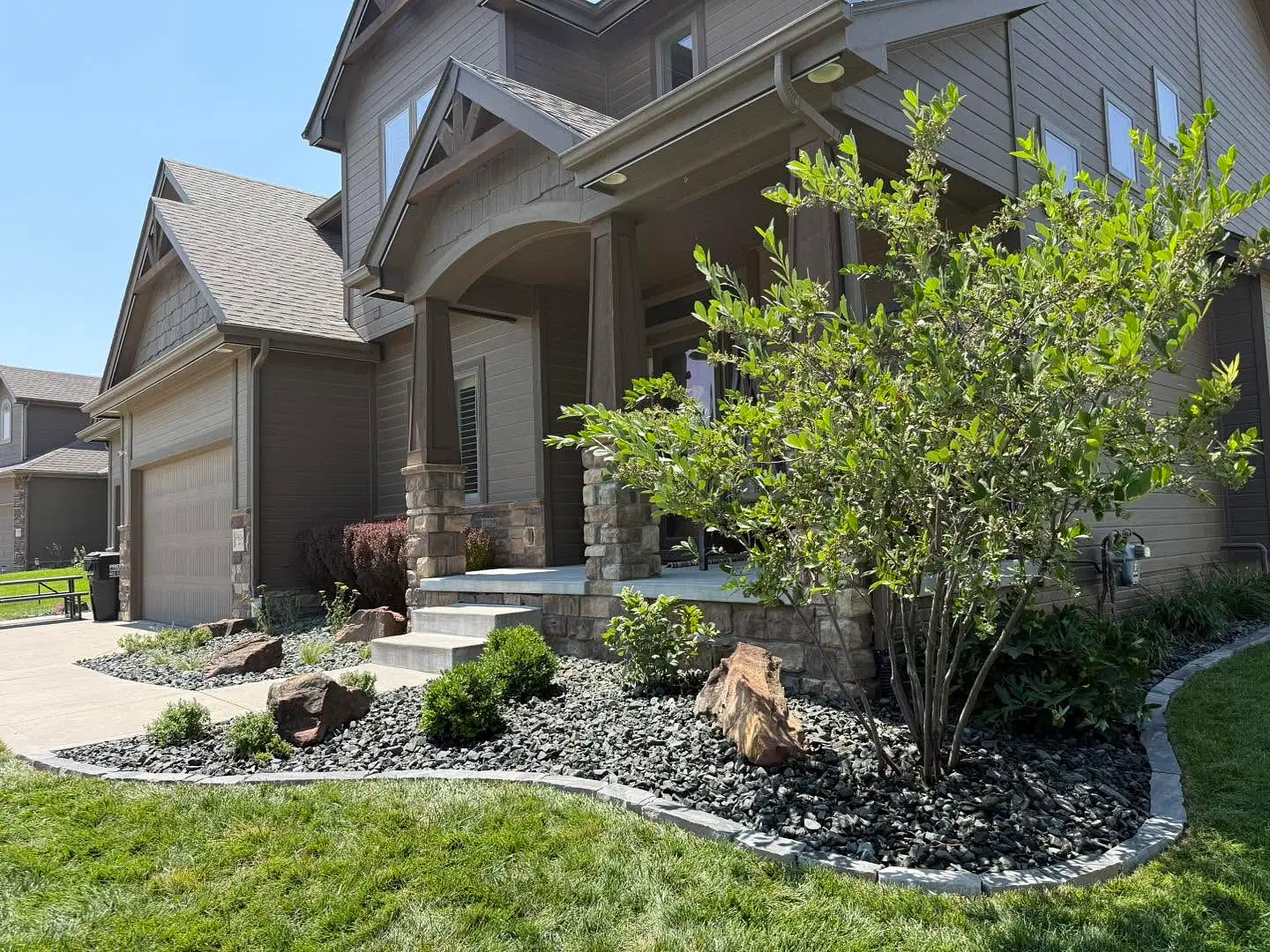
One of the most common questions we hear from local homeowners is about finding the best native plants for clay soil. If you've ever tried to dig a hole in your yard after a long dry spell, you know exactly how tough our earth can be. Heavy clay soil holds onto moisture during heavy spring rains—often leading to pooling and poor yard drainage—but bakes into a brick-like consistency during the peak of summer.
Instead of constantly fighting to amend the earth with endless bags of expensive soil conditioners, the most effective strategy is to choose plants that naturally evolved to thrive in these exact conditions. Native Nebraska prairie plants have incredibly deep root systems. These deep roots allow them to break through dense clay, access water deep underground during droughts, and improve overall soil drainage naturally over time.
When planning your landscape planting, incorporating species like Purple Coneflower, Black-eyed Susan, and native Switchgrass will give you vibrant summer color and rich textures without the need for constant coddling. These native perennials are naturally equipped to handle our specific environment, meaning less watering, less fertilizing, and significantly less stress for you. You won't have to spend your evenings untangling hoses or worrying about the health of delicate exotic imports.
How to Design Drought-Tolerant Garden Beds
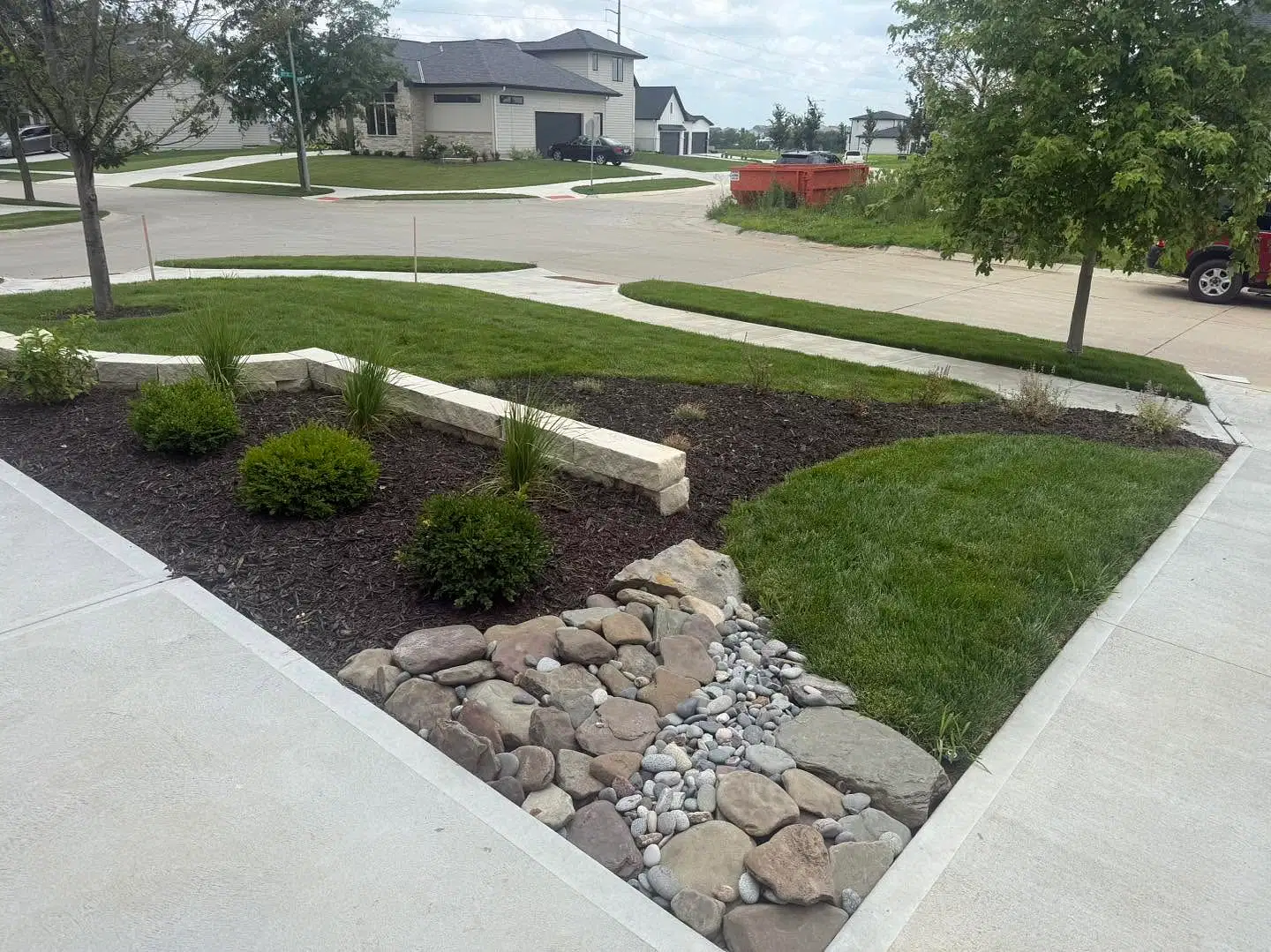
Creating a truly low-maintenance landscape is about more than just picking the right flowers; it requires thoughtful placement and smart xeriscaping principles. Xeriscaping—the practice of designing landscapes to reduce or eliminate the need for supplemental irrigation—is rapidly growing in popularity across West O and surrounding areas as homeowners look for ways to conserve water and lower their utility bills without sacrificing curb appeal.
A successful custom landscape design groups plants together based on their specific water and sunlight needs. By placing drought-tolerant prairie grasses and sun-loving perennials in the hottest, most exposed areas of your yard, you create a resilient barrier that won't wilt when the intense July heat sets in. Furthermore, incorporating thick layers of natural hardwood mulch helps retain essential soil moisture, suppresses stubborn weeds, and regulates the soil temperature during drastic weather shifts.
It is also important to consider the visual structure and layout of your beds. Some of the best low maintenance native landscape design ideas utilize ornamental grasses as a reliable backdrop, layered with mid-height blooming perennials in the center, and finished with lower creeping groundcovers at the front edge. This intentional, layered approach not only provides stunning visual depth but also physically shades the soil, further reducing water evaporation and weed growth throughout the season.
Professional Installation and Year-Round Beauty
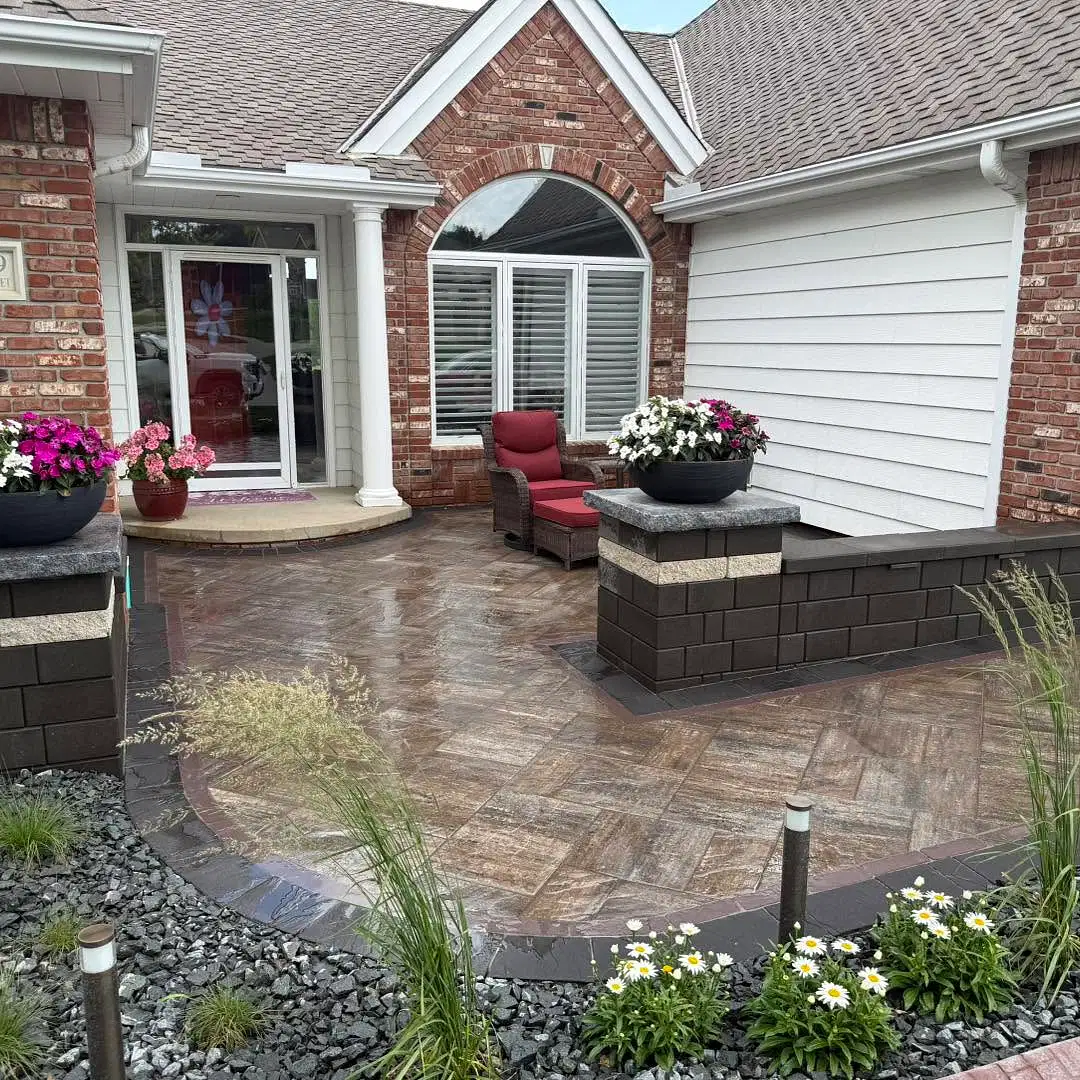
While native plants are inherently tough, getting them established correctly is the crucial first step to their long-term success. Proper garden bed installation involves carefully preparing the site, ensuring adequate initial spacing so the plants have ample room to reach their mature size without crowding, and setting up efficient, targeted watering strategies for their first important growing season.
Another major benefit of native plants is their unexpected winter interest. Traditional landscaping often looks completely barren and lifeless from November to March. In contrast, native grasses and dried seed heads provide beautiful texture, structure, and subtle movement in the winter wind, all while feeding local bird populations. Plus, leaving these resilient plants standing through the harsh winter requires absolutely zero extra effort on your part, seamlessly transitioning your yard into a beautiful, low-maintenance winter scene until the spring cleanup begins.
Ready to Transform Your Yard?
Spending less time working in your yard and more time simply enjoying it with your family is entirely possible with the right approach to planting. If you are ready to upgrade your property with sustainable, drought-resistant garden beds that look incredible season after season, Luxe Outdoors is here to help. We understand the unique challenges of the Metro area's climate and heavy soil, and our expert team is passionate about creating stunning outdoor spaces tailored exactly to your lifestyle and aesthetic preferences. From conceptual design to meticulous installation, we handle all the heavy lifting. Explore our full range of services to see how we can enhance your property, and contact us today to schedule a personalized consultation. Let's bring your low-maintenance landscape vision to life.